
Blog
The Culture You Create at Home Follows Them Everywhere
We often think of culture as something that exists in organizations.
In schools.
In workplaces.
But culture begins long before a child ever steps into a classroom or onto a team.
It begins at home.
Not in the big moments.
Not in the perfectly planned conversations.
But in the everyday interactions that shape how your child learns to think, respond, communicate, and see themselves.
Whether we realize it or not, we are always creating culture.
And the culture you create at home doesn’t stay there.
Your child carries it into every room they enter.
What They Carry With Them
Children don’t just take instructions with them.
They take experiences.
They carry:
The tone of your voice when things don’t go as planned
The way conflict is handled or avoided
The consistency (or inconsistency) of expectations
The feeling of being seen, heard, and valued… or overlooked
They carry how they’ve learned to respond when they make a mistake.
They carry whether they feel safe to speak up or stay silent.
And over time, those patterns become their default.
Not because they were taught directly.
But because they were experienced repeatedly.
This is how culture is formed.
Culture Is Not What You Say. It’s What You Model.
We can tell our children to be confident.
To be respectful.
To communicate clearly.
But what they internalize is what they see consistently.
If they see calm responses under pressure, they learn emotional regulation.
If they experience clear and respectful communication, they learn how to express themselves.
If they feel safe being honest, they learn to trust their voice.
Culture is built through repetition.
Through the small moments:
How you respond when they’re frustrated
How you handle your own stress
How you speak to others in front of them
How you repair after something goes wrong
These moments matter more than any single conversation ever could.
The Invisible Blueprint
Think of the culture at home as an invisible blueprint.
It quietly shapes:
Confidence or self-doubt
Courage or hesitation
Connection or distance
Ownership or avoidance
And here’s what’s powerful.
This blueprint doesn’t just impact childhood.
It follows them into:
Classrooms
Friendships
Teams
Future workplaces
It influences how they lead, how they respond to pressure, and how they build relationships.
Before they ever step into a leadership role, they’ve already been shaped by one.
Three Culture Builders That Make a Lasting Difference
You don’t need to overhaul everything to create meaningful change.
Small, intentional shifts create powerful outcomes.
1. Consistency Creates Security
Children thrive when expectations and responses are steady.
Not perfect.
But predictable.
Consistency builds trust.
And trust creates the foundation for confidence.
Ask yourself:
Are my responses aligned, or do they change based on my stress level?
2. Connection Creates Influence
Before children listen, they feel.
If they feel disconnected, correction often sounds like criticism.
If they feel connected, guidance feels like support.
Connection doesn’t require more time.
It requires presence.
A look.
A pause.
A moment of genuine attention.
Ask yourself:
Do they feel seen before I ask them to respond?
3. Communication Creates Clarity
It’s not just what you say.
It’s how it’s received.
Tone, timing, and body language all shape the message.
When communication is clear and calm, children learn how to process and respond—not react.
Ask yourself:
Am I communicating from pressure, or from clarity?
It Doesn’t Require Perfection
This is not about getting it right all the time.
It’s about becoming aware.
Because the moment you become aware, you gain the ability to choose differently.
To pause instead of react.
To connect instead of correct.
To respond with intention instead of pressure.
And those small shifts begin to reshape the culture over time.
Because It Truly Starts With You
The way you show up matters more than you may ever fully see.
Not because you have to be perfect.
But because you are consistent.
And consistency creates culture.
The culture you create at home becomes the foundation your child stands on everywhere else.
So the question becomes:
What are they experiencing from you on a daily basis?
And
What might shift if you led those moments with just a little more clarity, connection, and intention?
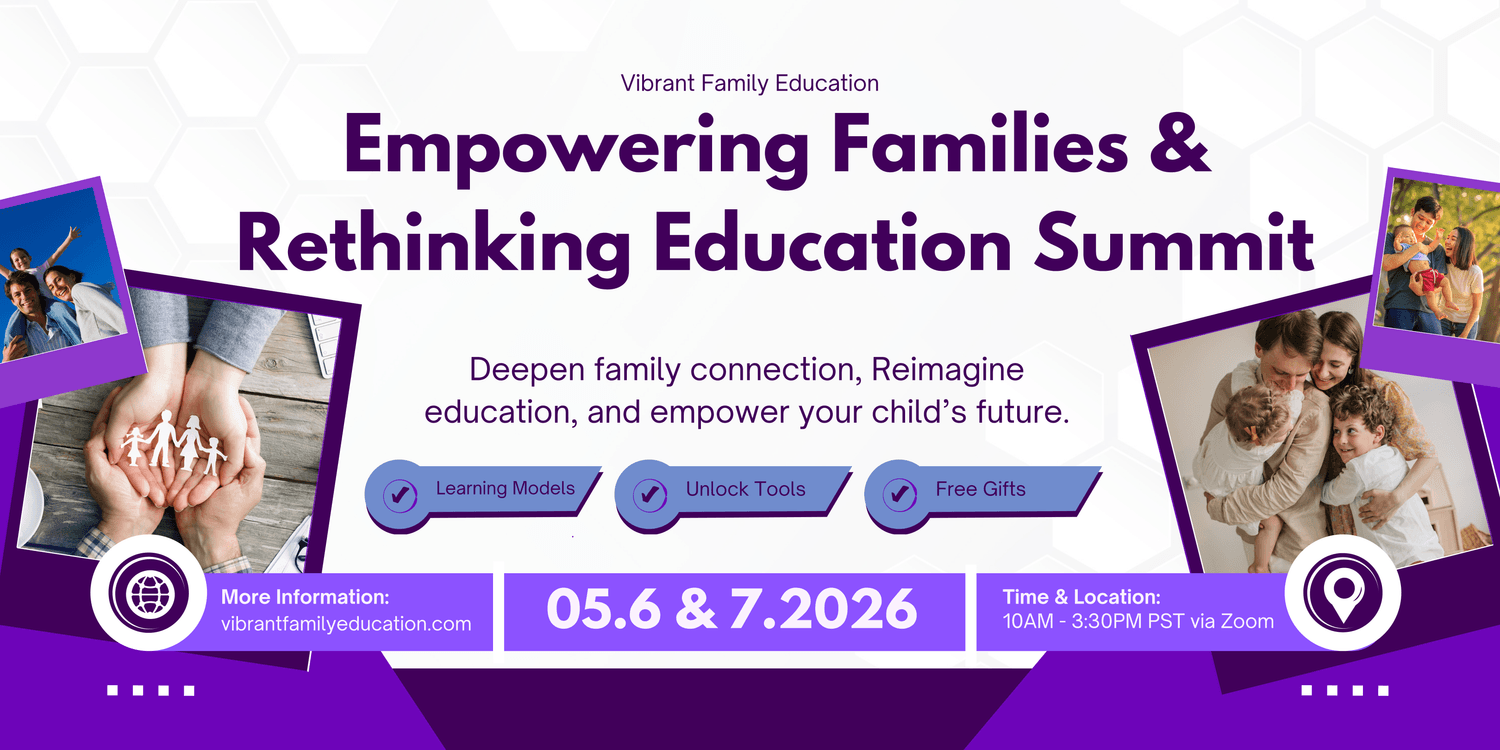
Join Me at the Summit + A Resource for You
This week, I’m honored to be part of the Vibrant Family Education Summit, where I’ll be speaking on:
“It Starts with You: How Communication and Connection Shapes Your Child’s Path from K–12 to College.”
If this message resonates with you, I would love for you to join us. It’s a powerful opportunity to rethink how everyday leadership at home shapes long-term outcomes.
REGISTER HERE: https://efre.vibrantfamilyeducation.com/efre-event-050626?am_id=sephanie8654
As a thank you, when you register for the event, you will be able to download one of my favorite resources:
“When What You Say Isn’t What They Hear: A Communication Action Toolkit for Leaders Who Want Clarity Without Exhaustion.”
It will give you simple, practical ways to align your communication in real time so your words, tone, and intention work together.
Because the goal isn’t just to say more.
It’s to be understood in a way that builds trust, connection, and confidence.
Visit www.drstephanieduguid.com to learn more or connect directly to explore how we can work together.
🔗 Learn more or reach out: www.drstephanieduguid.com

I'm Dr. Stephanie
Educator, speaker, mentor, author, and the creator of The Leadership Dance.
Let's Be Social


Snag Your Freebie!
52 Leadership Affirmations
Get this curated affirmation list to intentionally strengthen your leadership mindset so you can amplify your ability to inspire and impact others!
Join the Club!
Join the Do Good Leadership Facebook Community — a free, supportive space where women leaders gather to share insights, encouragement, and leadership growth strategies.

©2025 Do Good Leadership | Designed By Zestful Media & Design